• You will need to login or register before you can post a message. If you already have an Agriville account login by clicking the login icon on the top right corner of the page. If you are a new user you will need to Register.

if you are growing durum??????

Collapse
X
Collapse
 
  • Time
  • Show
Clear All
new posts
  • bucket
    Senior Member
    • Jan 2008
    • 17033

    if you are growing durum??????

    Do you :

    1. Buy the latest greatest variety when durum is a discount to wheat?

    2. Do you sell to the feedlots to make sure the price goes up...by reducing supply? But see #1???

    3. Do you do what you have always done and see some positives in the market?

    4. Take any new crop offers of 7 bucks without knowing the protein issues.....the market won't say if 11-15 protein will be treated the same???

    Just wondering because as why is everyone else's risks covered off but the primary producers?


    Protein and grade scales are not outlined until harvest.....or later...

    It seems odd that after years of getting protein to 0.1 scales its been thrown out ...where higher grades of durum are basically just thrown into the same bin.....
  • RedLentil
    Member
    • Sep 2016
    • 64

    #2
    Switch out a few acres to CWRS or maby feed barley then, if the budget allows, try a small amount of a newer variety of durum then you will have seed multiplied for when the market returns. Certified Durum seed is a dime a dozen this year so it should be cheaper then usual to try something new.

    Comment

    • walterm
      Senior Member
      • Oct 2003
      • 333

      #3
      Originally posted by RedLentil View Post
      Switch out a few acres to CWRS or maby feed barley then, if the budget allows, try a small amount of a newer variety of durum then you will have seed multiplied for when the market returns. Certified Durum seed is a dime a dozen this year so it should be cheaper then usual to try something new.
      How do farmers decide what variety they should try? Yield, midge, straw length, Fus, Sawfly? What if you choose Fus resistant but it isn't an issue this year but midge or sawfly is, or vise versa?

      Do farmers seed a field of each to lower risk or can they blend seed varieties and seed together to cover risk?

      Comment

      • bigzee
        Senior Member
        • Nov 2010
        • 1113

        #4
        Was reading this morning US durum acres on the rise for 19. Intentions are for 2.5 mill ac, up considerably from 18. Acres in Canada will drop because of the obvious, but from what I’ve heard not as much as most think.

        Comment

        • farmaholic
          Senior Member
          • Sep 2010
          • 17483

          #5
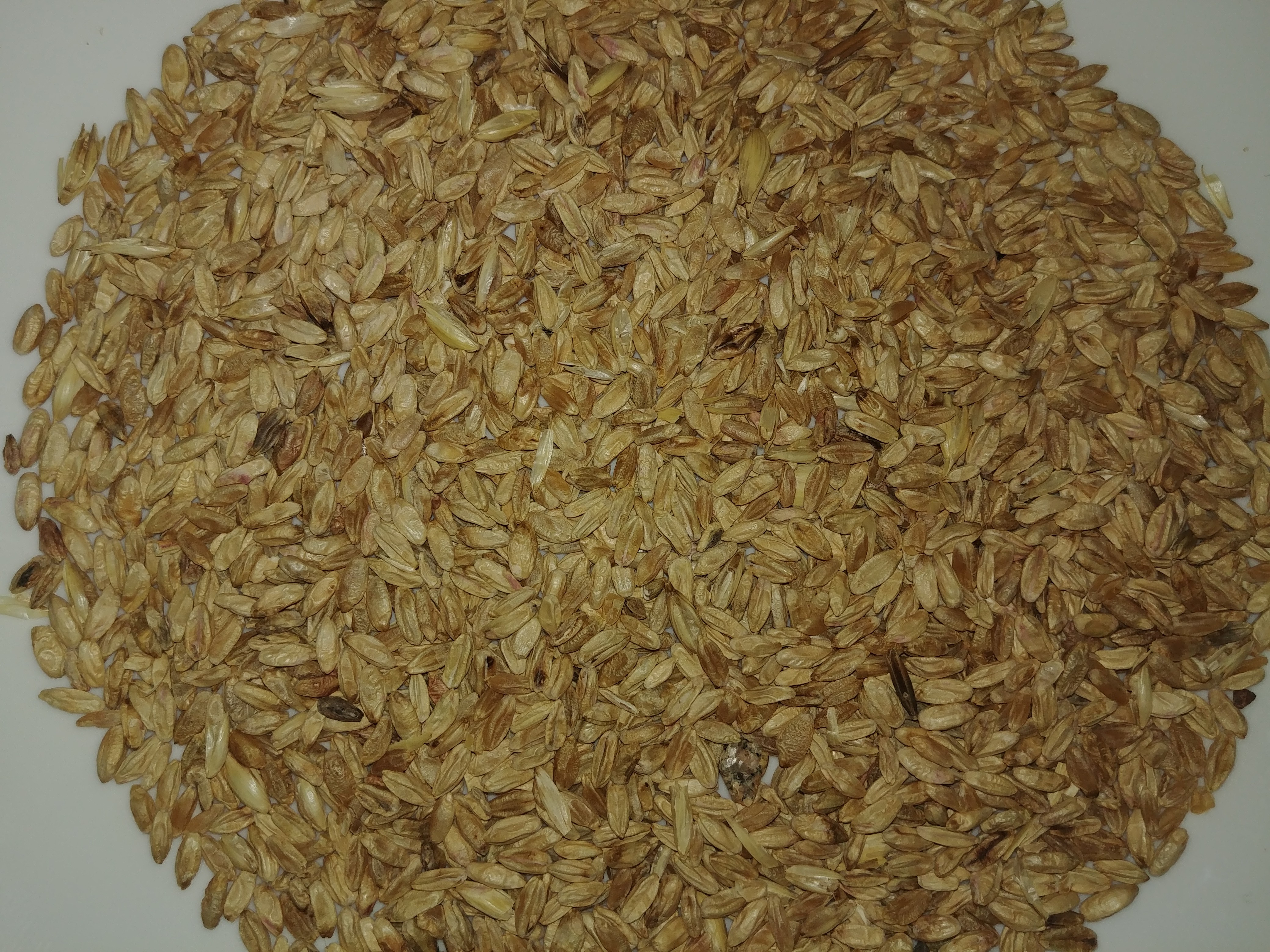
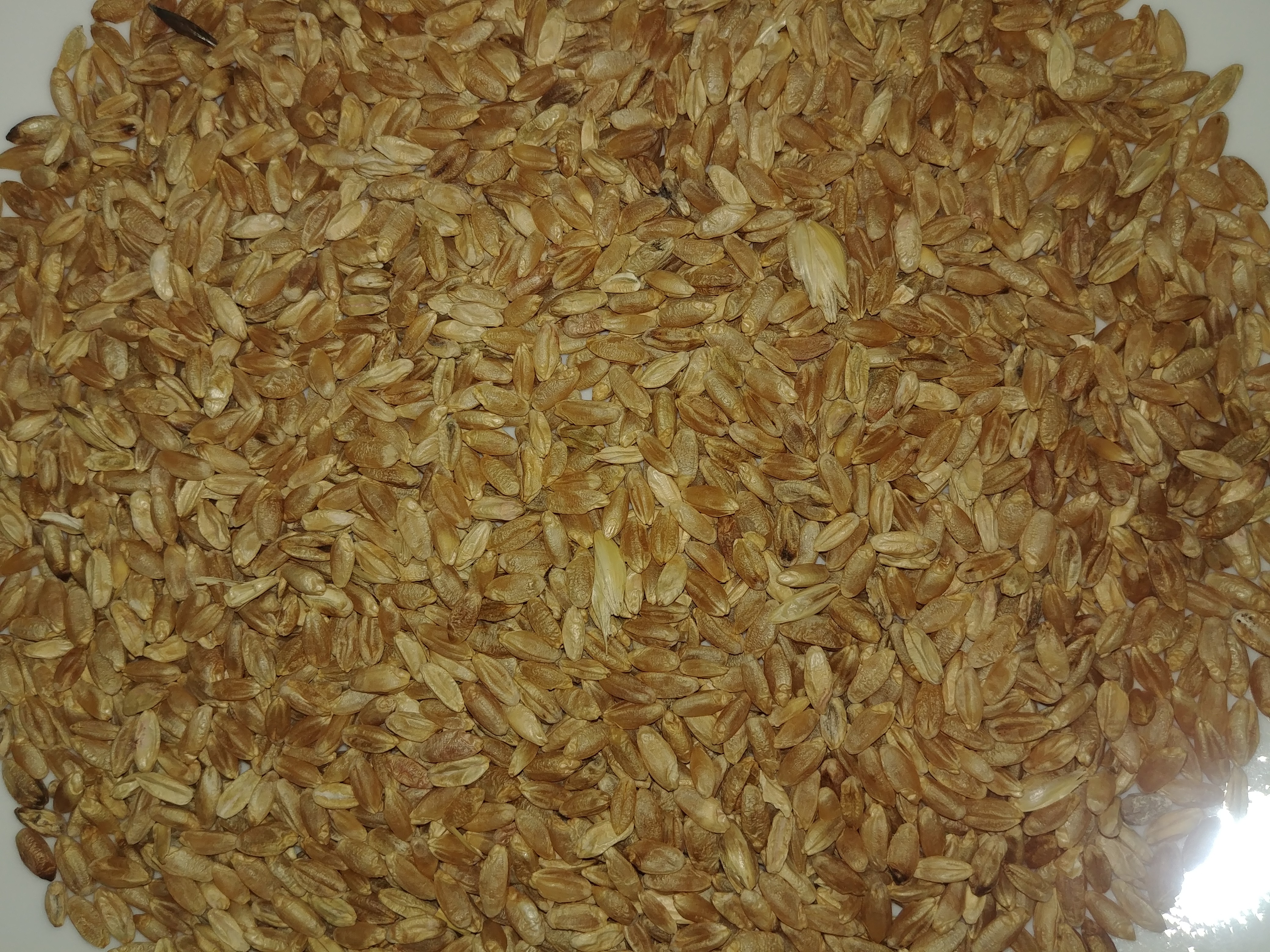
          The following is a public service message brought to you by Fusarium Fighters.


          Every time I think it's a good idea to grow durum I look at these pictures to remind myself maybe its not such a good idea.

          LEST WE FORGET.

          Comment

          • bigzee
            Senior Member
            • Nov 2010
            • 1113

            #6
            Originally posted by farmaholic View Post
            The following is a public service message brought to you by Fusarium Fighters.


            Every time I think it's a good idea to grow durum I look at these pictures to remind myself maybe its not such a good idea.

            LEST WE FORGET.
            What’s wrong with that stuff? A good colour sorter and gravity table would bring that up to a 3, that’s what the world wants anyway. 😂😂

            Comment

            • walterm
              Senior Member
              • Oct 2003
              • 333

              #7
              Originally posted by bigzee View Post
              What’s wrong with that stuff? A good colour sorter and gravity table would bring that up to a 3, that’s what the world wants anyway. 😂😂
              Yes you might be able to sort but then the grain company wouldn't be able to sell dockage removed and they would lose money or have to charge farmers more for cleaning and likely pay less for grain to cover loses.

              Comment

              • farmaholic
                Senior Member
                • Sep 2010
                • 17483

                #8
                If I remember correctly the bottom pic was the harvested sample and the top was the screenings off a gravity table. I think there was something like 26% clean out and I was able to sell the screenings to a co-op feed mill...must have been made into chicken feed or thinly blended into a feeder cattle ration.

                As OK as that whole scenario turned out, with the overall reduced yeild and dealing with the cleaning headache, selling screenings headache and kissing buyer's ass....the whole thing turned me off. Then two years later was dumb enough to try again...the end result wasn't as onerous but nevertheless still a challenge, polished(cleaned) a portion of that crop and the rest wasn't as bad. Sold that production the following November a year after harvest...did even better than the first time but the risks are too high here.

                To be honest I did miss a couple of decent low disease production years lately but who knows....seems I'm out of sync with the good years and in sync with the bad.

                Comment

                • Hopalong
                  Senior Member
                  • Apr 2013
                  • 1244

                  #9
                  Maybe durum production is more suited to local areas than most alternative crops.
                  Our farm has tried it a few times without much success as a profitable crop.
                  Think present over production situation is result of too many recent good profit years.
                  Growers can be thankful for feed grain markets that eat up surplus production.

                  Comment

                  • farmaholic
                    Senior Member
                    • Sep 2010
                    • 17483

                    #10
                    I think we are a fringe growing area, where results can go either way. Chickpeas would likely not work at all. Lentils, Durum, Soybeans are precarious. Peas(without root rot pressure) and canola aren't too bad. Wheat and flax seems to work best. Mustards work if fields are pretty clean. Barley is no bin buster here with thins. Oats...better buy a grain bagger and then theres the group one resistant wild oat issue.

                    As with any area, we probably stand a chance of growing a decent crop of any kind if conditions are conducive to it.

                    Keep the rotation varied.

                    Comment

                    • Reply to this Thread
                    • Return to Topic List
                    Working...